👉Discover why spirulina has become the favorite superfood of millions
Spirulina has become one of the most popular natural supplements among people looking to improve their daily nutrition thanks to its health benefits.
Although it is often called a “blue-green algae,” it actually belongs to a family of bacteria known as cyanobacteria.
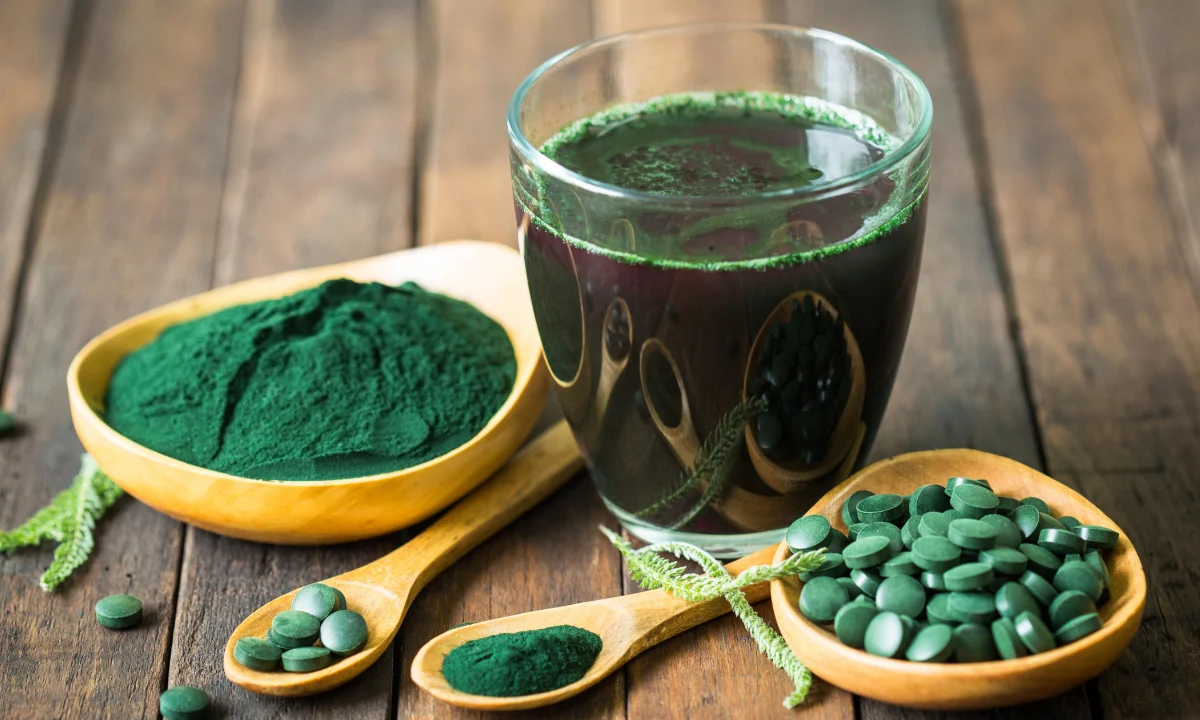
Its most cited scientific name is Arthrospira platensis, and it can be found in different forms, mainly as powder, capsules, or tablets.
What makes spirulina interesting is not only its color or reputation as a superfood, but also its composition.
According to information gathered from consulted sources, this food contains proteins, vitamins, minerals, antioxidants, and natural compounds that may support different functions in the body.
One of the main reasons spirulina is considered a superfood is its nutritional richness.
According to iHerb, between 50% and 70% of its dry weight may consist of protein, making it an interesting plant-based source for people looking to supplement their diet.
It also contains essential and non-essential amino acids.
This is important because amino acids are necessary for the body to create proteins, repair tissues, and maintain basic functions.
Some of its most notable components include:
In other words, spirulina is not just a trendy supplement .
👉Low on energy? Discover the algae many people are adding to their daily routine
One of the most important health benefits of spirulina is its antioxidant content.
These compounds help the body deal with damage caused by free radicals, a process commonly associated with cellular aging and different health concerns.
The iHerb source mentions several antioxidants found in spirulina, including:
Phycocyanin is especially important because it is the pigment responsible for spirulina’s characteristic blue color and is associated with antioxidant and anti-inflammatory properties.
To understand it simply, oxidation is similar to what happens when a sliced apple turns brown after being exposed to air.
Inside the body, this type of damage can affect tissues and cells.
For this reason, consuming foods with antioxidants may help support the body’s natural protection mechanisms.
👉The hidden nutrients in spirulina that may surprise you
Inflammation is a natural response of the body to injuries, allergies, or irritation.
However, when it continues for long periods or happens frequently, it may cause discomfort and affect quality of life.
Atlantic Naturals explains that spirulina contains C-phycocyanin, a compound that may influence histamine release from mast cells.
Histamine is a substance involved in inflammatory processes and allergic reactions.
Because of this, one possible benefit of spirulina is its potential support in situations related to inflammation.
In practical terms: spirulina should not be viewed as medicine, but rather as a supplement that may complement a balanced diet for people interested in supporting overall wellness.
👉Discover why spirulina has become the superfood
Seasonal allergies often cause uncomfortable symptoms such as sneezing, itchy eyes, nasal irritation, or congestion.
According to iHerb, some studies comparing spirulina consumption with placebo have observed a reduction in allergic rhinitis symptoms.
The explanation presented by the source is that spirulina may help “calm” the response of cells when exposed to allergens such as pollen.
However, it is important to clarify: the same source notes that there are no studies directly comparing spirulina with prescription allergy medications.
Another benefit mentioned in consulted sources is related to heart health.
Both iHerb and Atlantic Naturals indicate that several studies have observed positive effects of spirulina on factors such as cholesterol, triglycerides, and blood pressure.
According to iHerb, a 2008 study involving a Mexican population showed that spirulina could help reduce cholesterol and blood pressure levels.
It also mentions a 2014 study in which 1 gram daily of spirulina for 12 weeks was associated with reduced total cholesterol , triglycerides, and LDL cholesterol, known as bad cholesterol.
Atlantic Naturals adds that other studies have observed:
High cholesterol is a risk factor for heart disease.
That is why any food or supplement that may support healthy levels attracts attention.
However, spirulina should be understood as part of a broader lifestyle that includes nutrition, exercise, rest, and medical guidance.
👉This is how spirulina may help complement a healthier diet
Spirulina has also been studied for its possible relationship with blood sugar control.
Atlantic Naturals cites a 2001 study conducted by the University of Baroda in India involving patients with type 2 diabetes.
In that case, participants received 2 grams of spirulina daily for two months.
According to the source, results showed reductions in fasting glucose , post-meal glucose, and hemoglobin A1c, a marker used to evaluate long-term glucose regulation.
iHerb also mentions studies in animal models where spirulina showed potential to support blood sugar control and prevent diabetes-related complications.
The important point: although these results are promising, sources also indicate more research is needed before spirulina is commonly used for this purpose.
👉Low on energy? Discover the algae many people add to their routine
Another point highlighted by Atlantic Naturals is its possible connection to anemia.
Anemia occurs when there is a deficiency of red blood cells or hemoglobin, making it harder for the body to transport oxygen properly.
Symptoms may include:
The source mentions a 2011 study conducted at the University of California involving adults over 50 with a history of anemia.
After 12 weeks of supplementation with 3 grams of spirulina daily, increases in red blood cells, white blood cells, and hemoglobin were reported.
This benefit may be related to its iron content and other nutrients.
👉The hidden nutrients in spirulina that may surprise you
One of the most common questions is whether green spirulina and blue spirulina are different. Microgreen Spirulina explains that there is actually only one spirulina: the complete food is green and contains a blue pigment called phycocyanin.
The difference comes from how they are marketed:
Green spirulina: The complete spirulina, meaning the whole food.
Contains:
This is the most complete form and the one most commonly used when seeking a broad nutrient contribution.
Blue spirulina: Not complete spirulina, but a phycocyanin extract.
This means blue spirulina mainly concentrates the antioxidant pigment but does not contain the full combination of vitamins, minerals, and proteins found in green spirulina.
Simply put: green spirulina is more complete; blue spirulina is more specific.
👉The best natural supplements and vitamins are HERE!
The choice depends on each person’s goals.
If the goal is improving daily nutrition with a complete supplement, green spirulina is usually considered the more comprehensive option because it provides proteins, vitamins, minerals, chlorophyll, and phycocyanin together.
If the goal is a more specific antioxidant supplement with a neutral flavor and attractive color for smoothies or recipes, blue spirulina may be an interesting option.
Microgreen Spirulina summarizes the difference clearly: green spirulina is a complete food, while blue spirulina is an antioxidant extract.
👉Find the best spirulina supplements HERE!
The consulted sources also mention other possible benefits of spirulina.
These include supporting cellular energy, athletic performance, and the body’s natural detoxification processes.
iHerb notes that spirulina may act as a prebiotic, helping beneficial bacteria grow in the gut.
It also mentions chlorophyll, which is associated with alkalizing effects and natural cleansing processes.
👉This is how spirulina may help complement a healthier diet
Although spirulina is generally considered safe in common doses, product quality is an important factor.
iHerb states that the FDA considers it “generally recognized as safe” and that common supplement doses are usually between 3 and 5 grams daily.
However, Microgreen Spirulina warns that origin, cultivation methods, and certification are important factors.
When purchasing it, consumers should choose quality products that are free of contaminants and have proper testing.
Before consuming it, it is also recommended to consult a healthcare professional in cases such as:
👉The hidden nutrients in spirulina that may surprise you